You probably remember the electric thrill of lining up the perfect symbols, the cascade of celebratory sounds, and the momentary rush as the numbers on the screen ballooned – that taste of winning at a slot machine. But what lingers after the jackpot fades? Was it truly rewarding, or just a fleeting moment of manufactured excitement?
This article challenges the conventional wisdom that winning is the sole measure of a rewarding slot machine experience. It dives deep into the elements that contribute to genuine satisfaction – the engaging gameplay, the immersive themes, and the overall sense of enjoyment derived from responsible gambling.
Consider this your expert guide to navigating the dazzling world of slots, revealing the keys to identifying and enjoying slot games that provide real personal value, far beyond the lure of a simple win. We’ll equip you with actionable insights to redefine “rewarding slots” and empower you to make informed choices for a more fulfilling and entertaining gambling experience. We also value the responsible gambling.
Understanding the Core Elements of Slot Machines
As you know, the world of slots is wide, transitioning from mechanical marvels to digital experiences. The core slot machine mechanics have roots in the late 19th century. The original slot machines used mechanical reels. Nowadays, modern online slots use sophisticated software known as a Random Number Generator (RNG) to decide the results of each spin. Whether physical or online, understanding how they fundamentally work gives you an edge.
Reels, Symbols, and Paylines: The Building Blocks
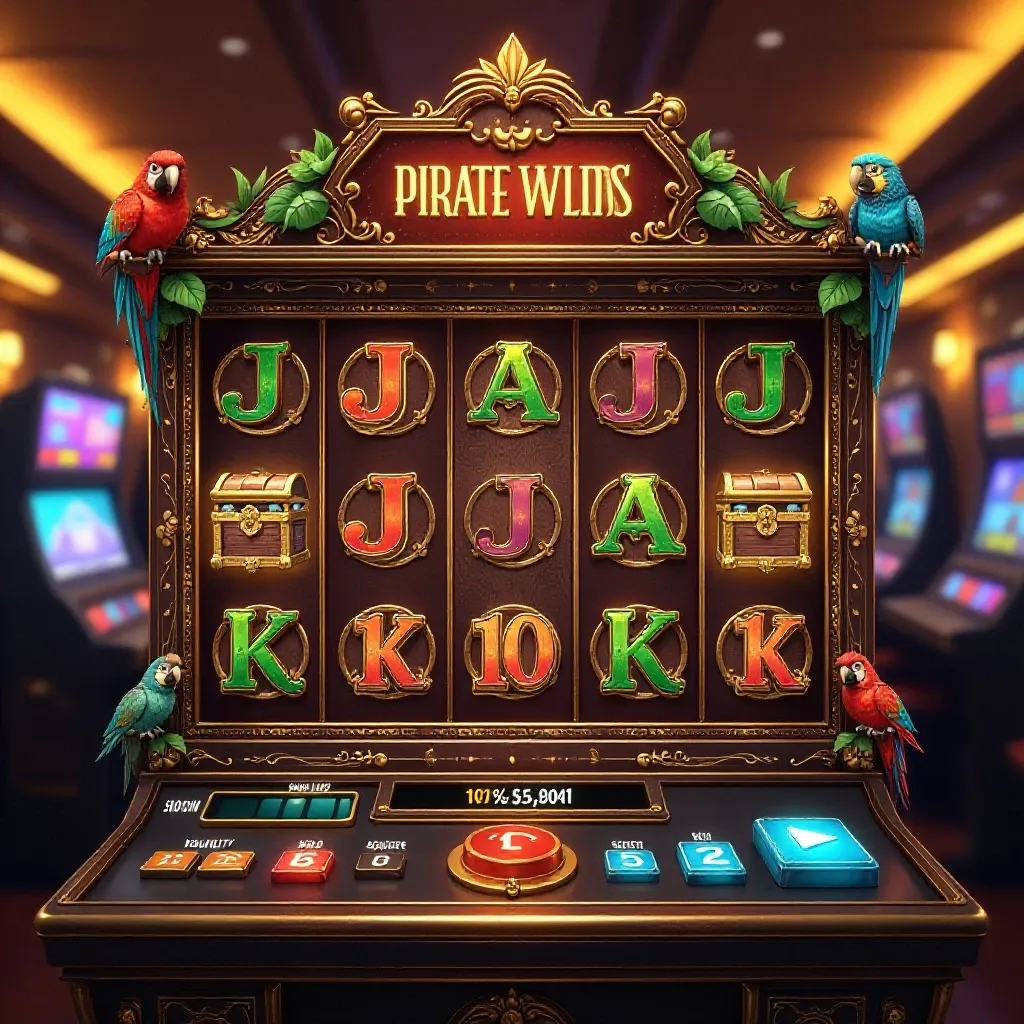
Imagine a classic pirate-themed slot. The reels are the vertical columns that spin, usually three or five. Symbols are the images on those reels – perhaps treasure chests, parrots, and the pirate captain himself. Paylines are the lines across the reels that determine a win. If you line up three pirate captain symbols on a payline, you win! In the past, slots usually used mechanical devices combined with a few symbols. Modern slots include special symbols: Scatter symbols can trigger bonus rounds, even if they’re not on a payline! Wild symbols can substitute for other symbols to complete a winning combination. All of these, reels, symbols, and paylines combine to create nearly limitless possibilities and impacts.
RTP and Volatility: Managing Expectations
RTP (Return to Player) is the percentage of all wagered money that a slot machine is expected to pay back to players over time. For example, a slot with a 96% RTP is expected to return $96 for every $100 wagered. Note that this is over the long run, not a guarantee for each session. Volatility (also known as variance) refers to the risk level of a slot. High volatility slots pay out larger amounts, but less frequently. Low volatility slots pay out smaller amounts more often. If you’re risk-averse, stick to low volatility slots. Willing to risk big for larger rewards? High volatility might be for you. Tip: RTP and volatility information is often found in the slot’s information section or on the online casino’s website. High volatility can burn through your bankroll before paying out.

The Psychology of Slot Machines: Understanding How They Manipulate You
The Allure of ‘Almost Winning’: The Near Miss Effect
The ‘near miss’ effect is a sneaky psychological trick slot machines use to keep you hooked. Imagine spinning the reels and almost hitting the jackpot – two out of three symbols align perfectly. That feeling of beingso close* isn’t random; it’s carefully engineered. This near miss activates the same reward pathways in your brain as a small win, making youthink* you’re on the verge of a big payout. It’s a cognitive bias exploiting the gambling fallacy – the mistaken belief that past outcomes influence future events. Studies have shown that near misses encourage players to continue gambling, fueling the illusion that their next spin will be the winning one, leading to chase that feeling. The reality is, each spin is entirely independent, and that ‘almost’ win doesn’t increase your chances.
Losses Masquerading as Wins: The Deceptive Nature of LDWs
Losses Disguised as Wins (LDWs) are another clever tactic slot machines employ. An LDW occurs when you win an amount less than your original bet, but for all the intents and purposes of the machine, it’s still a “win”. The machine might flash lights and play celebratory sounds, signaling a win even though you’ve technically lost money. They’re designed to trick your brain into perceiving a loss as a positive outcome. LDWs create cognitive dissonance in players. Your brain struggles to reconcile the fact that you’ve lost money with the machine’s celebratory display. This confusion can lead to addictive behavior, as players continue to gamble in an attempt to recapture that perceived win. Here’s a good example: you bet $1, you win $0.25. It’s a loss of $0.75 but the slot treat this as a win because the machine provided some “reward” back. This is a malicious method of exploiting the reward system of the human brain.
Variable Rewards and Sensory Overload
Casinos weaponize the power of variable rewards with sensory overload to ensnare gamblers. Slot machines are designed to deliver rewards on a variable schedule, meaning payouts are unpredictable. This keeps players hooked because they never know when the next win might occur, stimulating dopamine release in the brain, the pleasure chemical. Add to that the flashing lights, vibrant colors, and captivating sounds, and you’ve got a potent cocktail designed to overwhelm your senses. Imagine the cacophony of a casino floor, it’s not by accident. The sounds of winning, real or fabricated, are created in a way that stimulate the brain. The casino environment is meticulously designed to keep you in a state of heightened excitement and anticipation, making it difficult to resist the urge to keep spinning those reels.
The key to a truly rewarding slot – The Strategy
Slots are a game of chance, but approaching them strategically can transform the experience from a potential disappointment into a more rewarding pastime. It’s not about guaranteeing wins – luck always plays a significant role – but about minimising risks, staying in control, and maximising enjoyment. Strategic thinking in slots involves a blend of bankroll management, informed game selection, and a clear understanding of the game’s mechanics. Being tactical is about the decisions you make in the moment; being strategic is about planning ahead. Think of it like this: luck deals the cards, but strategy dictates how you play them.
A calculated approach helps one stay calm, adhere to pre-set limits, and know when to walk away, regardless of whether they are on a winning or losing streak. Let’s explore the key elements, so that slots become less negative and way more fun.
Bankroll Management: Playing Safely!
Bankroll management is the cornerstone of responsible slot play. It’s about setting a budget and sticking to it. The first step is to determine how much money you can afford to lose without impacting your financial well-being. Once you have this figure, divide it into smaller stakes for each session. A common strategy is the “1% rule”: never bet more than 1% of your total bankroll on a single spin.
For example, if you have $500 allocated for slots, your maximum bet per spin should be $5. Record your wins and losses in a spreadsheet to track your progress and identify any patterns. Mostimportantly: Once you reach your loss limit, STOP. Chasing losses is a recipe for disaster.
Game Selection Tactics: Finding Your Perfect Slot
Don’t be fooled by flashy graphics or enticing themes. Selecting a slot involves more than just aesthetics. Start by identifying your preferred playing style. Are you after frequent small wins, or are you willing to risk bigger losses for the chance of a large payout? This relates to a slot’s volatility. High volatility slots offer larger but less frequent payouts, while low volatility slots offer smaller, more frequent wins.
Check the game’s RTP (Return to Player) percentage. This indicates the percentage of wagered money that a slot is expected to pay back to players over time. The industry average is around 96%, so aim for games with an RTP above this figure. Experiment with demo versions to get a feel for a slot’s gameplay and features before committing real money. Consider the storyline and concept to see weather this is something you like.
For example, for a more conservative player wanting to only extend playing time, the selection would be low volatility, high RTP slot. For a High Roller, who wants one lucky shot – high volatility, lower RTP would be better to try. The perfect machine is the one you are used to!
Deconstructing Paytables: Knowing What You’re Betting On
The paytable is your instruction manual to understanding a slot. It displays the value of each symbol, the winning combinations, and the bonus features the game offers. Start by identifying the highest-paying symbols and their corresponding payouts. Next, examine the payline patterns. Some slots have fixed paylines, while others offer variable paylines, allowing you to choose how many lines to activate.
Pay attention to the bonus features, such as free spins, multipliers, and bonus rounds. These features can significantly increase your winnings. Understand the odds of triggering these features and how they work. By carefully studying the paytable, you can make informed decisions about your bets and increase your chances of hitting a winning combination.
If you read up to this point, you are probably among 5% of slot players, that treat slots seriously.

Red Flags: Spotting Unrewarding and Problematic Slots
Dodgy Gameplay
Spotting problematic slots can save time, money, and emotional distress. One early warning sign is dodgy gameplay. This can manifest as questionable patterns in the slot’s behavior – spins that seem rigged to avoid payouts, or a sudden and inexplicable lack of winning combinations. Furthermore, if the rules of a slot game are obscure or difficult to understand, it might be a deliberate tactic to confuse players and make it harder for them to make informed decisions. These kinds of slots could be a trap.
Unlicensed Casinos and Lack of Regulation: A Risky Bet
Playing at unlicensed casinos is a gamble that rarely pays off. Legitimate online casinos are licensed and regulated by recognized gaming authorities. This oversight ensures fair play and protects players’ funds. An unlicensed casino operates outside these regulations, meaning there’s no guarantee of fairness or security. Checking for licensing information is crucial; reputable casinos prominently display their licensing details on their website, often in the footer. If this information is missing or seems dubious, it’s a major red flag. If one suspects an unlicensed casino, they should immediately cease playing and report the casino to the relevant gaming authorities. Protecting yourself is the main concern.
Conclusion: Playing Slots Mindfully
In conclusion, the allure of rewarding slots extends far beyond the flashing lights and potential payouts. A truly enriching experience hinges on mindful gambling, where informed choices and responsible gaming take center stage. Recognizing manipulative tactics employed by some casinos becomes paramount in safeguarding your entertainment budget and maintaining a healthy perspective.
Strategic bankroll management, coupled with astute game selection, significantly contributes to a more enjoyable experience. By understanding the odds, setting realistic expectations, and approaching slots as a form of entertainment rather than a guaranteed income source, players can cultivate a healthier relationship with this popular pastime.
The core of our considerations are that slots are not a reliable monetary opportunity, but just an experience. So, the next time you approach the slots, remember to prioritize responsible gaming, make informed choices, and always keep the experience enjoyable above all else.